Transfer Garageband Project From Iphone To Mac
Mar 28, 2016 How to: Use Mac OS GarageBand tracks in iPad GarageBand without iTunes. This is a short walk through of how to take your GarageBand file from a Mac to be able to edit it in GarageBand on an iPad. Apr 11, 2019 Quick and easy way to transfer your GarageBand songs to PC with the help of iTunes. How to export your garageband project as an mp3. How To Mirror iPhone Screen to Windows PC (No Mac.
- Using Garageband On Mac
- How To Transfer Garageband Project From Iphone To Mac
- Export From Garageband Iphone
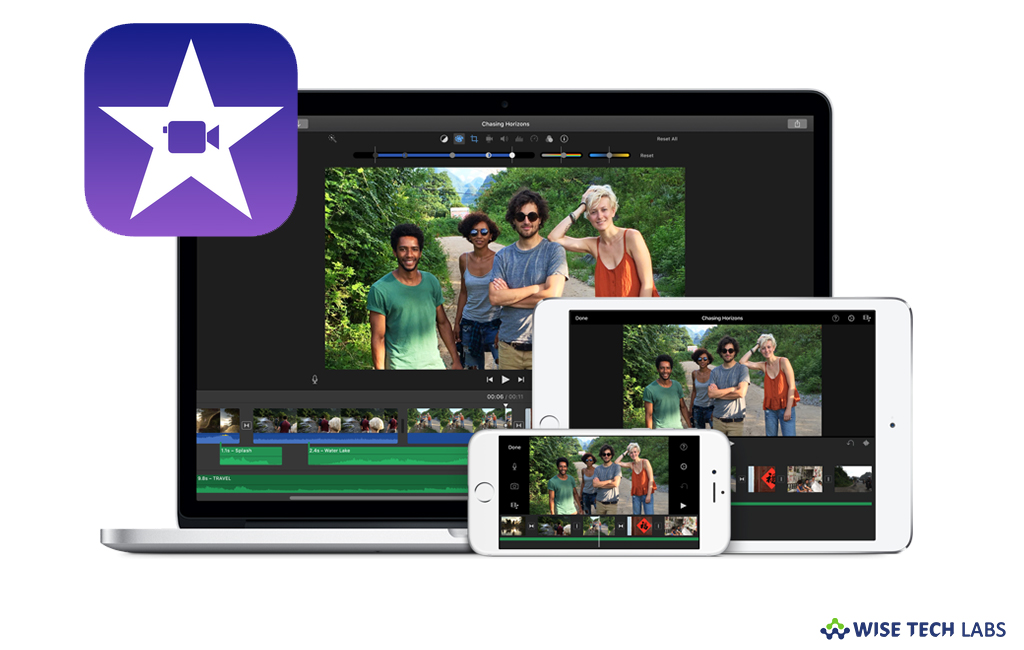
I've been editing quite a few movies on my iPhone 6s and 6s Plus since first picking up Apple's latest smartphones: The Retina screen makes viewing and cutting 4K footage easy, and iMovie for iOS's smart trim tools and easy-to-use interface can do a lot. But it can't do everything, and that's where the Mac comes in. Thanks to iMovie 10.1, you can now move projects you've started on your iPhone or iPad to the Mac for more in-depth edits. Here's how to go about it.
How to move an iMovie project from your iPhone or iPad to your Mac
- Open iMovie for iOS on your iPhone or iPad.
- Tap the Projects tab and select the project you want to move.
- Select the Share button at the bottom of the screen.
From here, you have a few different options on how to get your project over to iMovie.
- You can send the project to iCloud Drive, where you can open it on your Mac. This is the slowest method I've found, but it also keeps that project in your iCloud Drive indefinitely.
- You can tether your phone to your computer via USB cable and use iTunes. Fast, but requires a USB cord.
- You can share to your computer via AirDrop: If you have a 2012 or later Mac, you can use iOS-to-Mac AirDrop to wirelessly transfer the file from your iPhone or iPad to your Mac. This is my favorite method, and the one we'll talk about below.
- Wait for your Mac to show up under the AirDrop menu on the Share screen.
- Once it does, tap on the icon.
- Your project will first begin preparing; after it's finished, it will start sending it to your computer.
This might take a little while—especially if you have 4K footage!—so you may want to go find a tasty beverage while doing this.
How to open iMovie for iOS projects on your Mac
- Open iMovie for OS X on your Mac.
- If you used AirDrop or iTunes, you'll find your iMovie for iOS project in your Mac's Downloads folder. Otherwise, you can select the following menu in iMovie: File > Import iMovie iOS Projects.
- After a few minutes of import, your project should appear identical to its iOS form in the iMovie for OS X timeline: Everything gets transferred over, from video effects to audio clip placement. You'll also get the full versions of all clips you've used in your project, stored in the My Media browser.
Note: I've seen iMovie occasionally hang when trying to import new projects, which I expect is a tiny 4K-related bug; if it freezes for more than ten minutes on you, my best advice is to force quit the program and try re-importing.
Using Garageband On Mac
How To Transfer Garageband Project From Iphone To Mac
How to move iMovie projects on your iPhone or iPad to Final Cut Pro
If iMovie for OS X won't cutting it, you can jump all the way up to Final Cut Pro. Here's how.
- Follow all the steps above to import your project into iMovie for OS X.
- Go to File > Send Movie to Final Cut Pro.
- Your film will then export and automatically open Final Cut Pro.
Export From Garageband Iphone
Can I move projects back to my iPhone or iPad?
Not at this time, sadly. You can keep working on the project file you exported—it opens in either iOS or OS X—but once you import it into iMovie on the Mac, you're stuck editing in the Mac environment.
Questions?
Let us know below and we'll try our best to address them.
🍎 ❤️Apple reminds us all that 'creativity goes on' in new YouTube video
Apple's latest YouTube video knows just how to tug at the heartstrings.
GarageBand for iOS saves songs within the app on your iPhone, iPad, or iPod touch. If you delete the GarageBand app, you'll also delete your songs. In case you ever have to delete and reinstall the app, make sure to back up your songs first. You can back up your songs by uploading them to iCloud, exporting them to iCloud Drive, or copying them to another Apple device using AirDrop.
You can also back up your iPhone, iPad, or iPod touch. A backup of your iOS device includes the songs saved within the GarageBand app. Make sure to back up your device so you can access your songs in case you lose, replace, or damage it.
FX FADE worked incorrectly when DDJ-SB3 was connected to Serato DJ Pro. The LED lights lit incorrectly when Serato DJ Lite/Pro was launched or closed. DDJ-SB3 firmware Windows. DDJ-SB3 compatible with DJAY Pro Software? Does Pioneer DJ still support Algoriddim's DJAY PRO software? Why can't I hear music through my headset when I select the track headset que buttons? And why do I lose control over the ouputted sound through the speakers when my headset is plugged in and I'm trying to hear a queued track? Djay pioneer ddj sb3 profile. DDJ-SB3 works with other MIDI-compatible software besides Serato DJ Lite/Pro, by assigning MIDI message. Please refer to the list of MIDI message to find mapping values of all buttons and knobs. To assign MIDI message to all software function, please refer to your manufacturers' software manual.
Upload songs to iCloud
When you upload your songs to iCloud, you can access them and keep them up to date on all your iOS devices. You can upload all your songs at once to iCloud.
- Make sure to turn on iCloud for GarageBand.
- On an iPhone or iPod touch, tap in the Control Bar, then tap My Songs.
On an iPad, tap My Songs in the Control Bar. - Tap Select.
- Tap the songs you want to upload.
- In the Control Bar, tap .
- Tap Upload Songs to iCloud. After your songs upload to iCloud, you'll see them in the My Songs browser with an iCloud icon.
If you delete and reinstall the app or if you get a new device, songs uploaded to iCloud automatically appear in the My Songs browser. To access the songs on a new device, make sure to sign in with your Apple ID.
Export songs to iCloud Drive
Using iCloud Drive, you can access your songs from another iOS device, a Mac, or a PC. You can export one song at a time to iCloud Drive.
- Make sure to set up iCloud Drive on your devices.
- On an iPhone or iPod touch, tap in the Control Bar, then tap My Songs.
On an iPad, tap My Songs in the Control Bar. - Tap Select.
- Tap the song you want to back up.
- Tap .
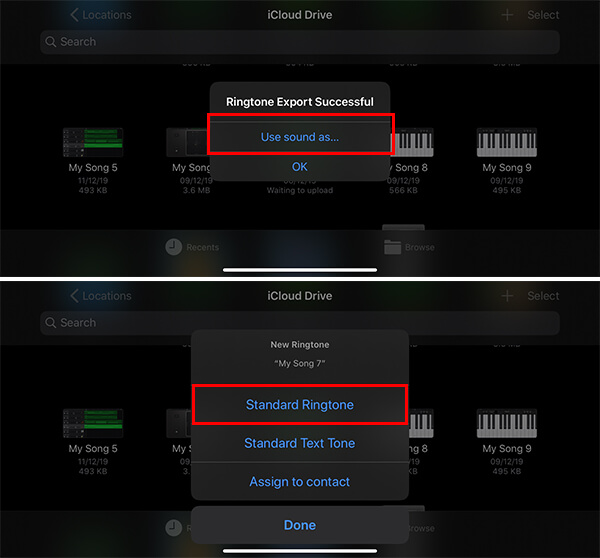
- In the Share dialog, tap iCloud Drive.
- Tap Project.
- Browse to the location where you want to save the song.
After reinstalling GarageBand or getting a new device, you can import a song from iCloud Drive to GarageBand on your device.
- On an iPhone or iPod touch, tap in the Control Bar, then tap My Songs.
On an iPad, tap My Songs in the Control Bar. - Tap , then tap Import from iCloud Drive.
- In the iCloud Drive dialog, locate and tap the song you want to import.
The GarageBand songs you keep in iCloud use your iCloud storage. When you sign up for iCloud, you automatically get 5 GB of free storage. If you use all your iCloud storage, you can buy more. Or you can use AirDrop to back up your songs to another device.
Back up songs using AirDrop
To back up your songs to another Apple device, you can use AirDrop. AirDrop makes a copy of the song on another Apple device.
It allows you to adjust the audio gain, resampling rates, channels, equalizers and dithering. It allows you to manipulate audio streams like the professional editor with very high precision. It allows you to apply declipping filters and declicking, audio noise, remove humming or repair the audio spector. Izotope rx osx. It allows you to perform an accurate pitch adjustment with hum removing tool or the denoising option. It enables you to manipulate the sound from one one or several audio tracks at the same time.
- Make sure to turn on AirDrop on your Mac and your iOS device.
- On an iPhone or iPod touch, tap in the Control Bar, then tap My Songs.
On an iPad, tap My Songs in the Control Bar. - Tap Select.
- Tap the song you want to back up.
- Tap .
- Tap the name of the AirDrop user or Apple device you want to send the file to.
- Tap Project. AirDrop copies the song to the following locations:
- On a Mac, the song is saved to the Downloads folder.
- On an iOS device, the song opens in GarageBand. If GarageBand isn’t installed on that device, you can choose to get the app or save the song to iCloud Drive.
Learn More
- Use iCloud with GarageBand on iPhone, iPad, or iPod touch.
- Use iCloud Drive.
- Use AirDrop with iPhone, iPad, iPod touch, and Mac.